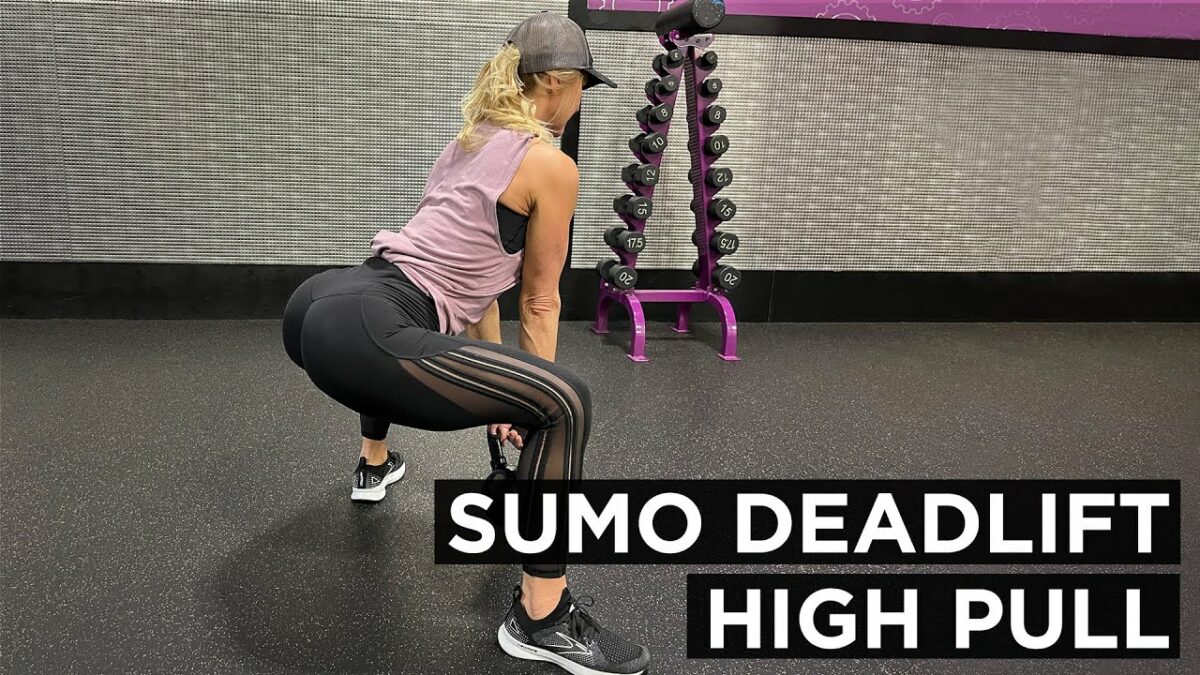
Sumo Deadlift High Pulls

Sumo Deadlift High Pull

Sumo Deadlift High Pull – How to Do It, Benefits, and Muscles Worked

The Sumo Deadlift High Pull is a powerful, full-body exercise that blends lower-body strength, upper-body pulling power, and core stability into one explosive movement. With a wide sumo stance, a strong hip drive, and a high pull finish, this lift builds muscle, burns calories, and improves athletic performance.

Whether you use a barbell, kettlebell, dumbbell, or cable pulley, the sumo deadlift high pull delivers impressive strength and conditioning benefits when done with proper form.

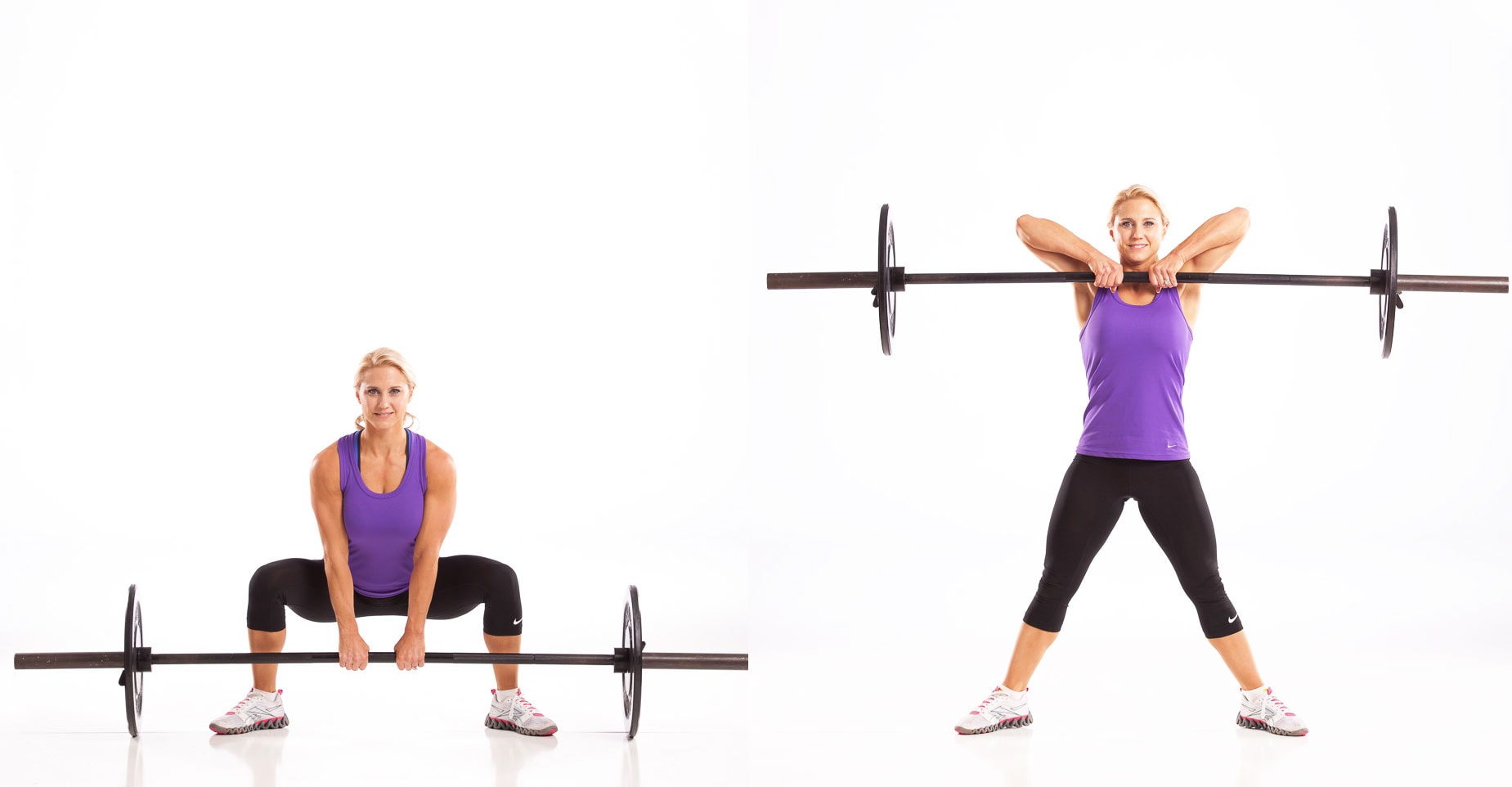
Sumo-Deadlift-High-Pull-Exercise

How to Perform the Sumo Deadlift High Pull

  1. Set your stance
    Stand with feet wider than shoulder-width, toes slightly pointed out. Place the weight (barbell, kettlebell, or dumbbell) between your feet.
  2. Grip the weight
    Bend at the hips and knees, keeping your chest tall and back flat. Use an overhand grip or hook grip with hands just inside your knees.
  3. Initiate the lift
    Drive through your heels, extending hips and knees together in one strong movement. Keep the bar close to your body as it moves upward.
  4. The high pull
    As the bar passes your hips, pull it upward toward your chin by bending your elbows and lifting your shoulders. Keep elbows high and outside.
  5. Lower under control
    Reverse the movement, lowering the weight back to the starting position in a controlled manner.

Pro tip: The movement should be fluid and explosive, but never jerky. The power comes from your hips and legs, not just your arms.


Glute Anatomy

Muscles Worked in the Sumo Deadlift High Pull

Because it is a compound exercise, the sumo deadlift high pull works multiple major muscle groups:

  • Glutes – Primary drivers during hip extension
  • Hamstrings – Assist glutes in extending hips and controlling the lowering phase
  • Quadriceps – Engage strongly during the initial pull from the floor
  • Back (lats, erector spinae, traps) – Stabilize the spine and assist in pulling
  • Shoulders (deltoids) – Activated during the upright row portion
  • Core (abs, obliques) – Keep the torso stable throughout the movement

This combination makes it ideal for building both strength and muscular endurance.


Benefits of the Sumo Deadlift High Pull

Full-body strength
This is one of those rare exercises that demands just about everything from your body at once. The sumo stance engages your lower body—glutes, hamstrings, and quads—while the high pull recruits your upper back, traps, shoulders, and arms. Your core is working the entire time to keep your spine stable and your movement controlled. It’s a smart way to build balanced strength without having to piece together multiple separate exercises.

Explosiveness and power
The sumo deadlift high pull is a dynamic, athletic movement. That means you’re not just moving weight—you’re moving it quickly and forcefully. Driving through your hips and finishing with the pull trains your fast-twitch muscle fibers, which are responsible for speed, agility, and power. This kind of explosive strength transfers into real-life activities, whether that’s sprinting up stairs, hitting a tennis ball harder, or performing better in the gym.

Muscle growth
If your goal is to build muscle, this movement checks a lot of boxes. It works some of the biggest muscle groups in your body—the ones that respond well to progressive overload and stimulate the most overall growth. Glutes, quads, hamstrings, back, and shoulders all get significant time under tension here. Because you can lift relatively heavy with good form, it’s an efficient way to encourage hypertrophy across multiple areas at once.

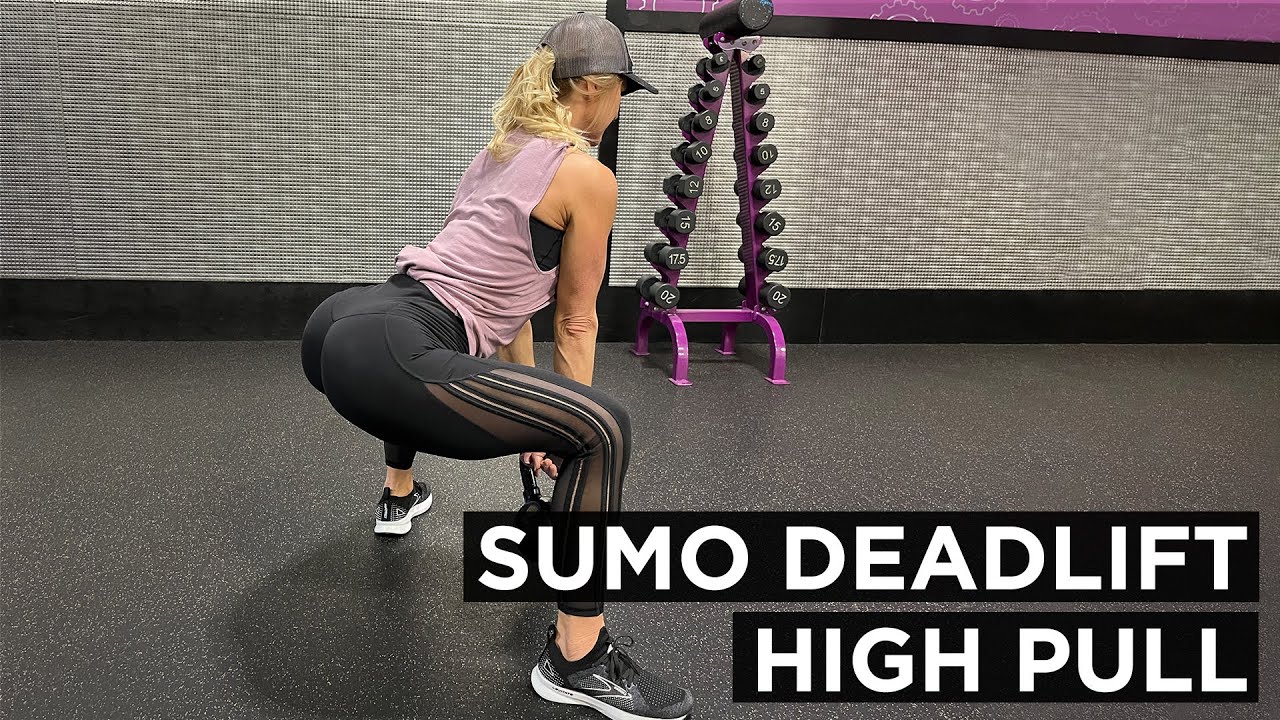
Sumo Deadlift High Pull

Calorie burn
When you involve more muscle mass in a lift, your body has to work harder and burn more energy. The sumo deadlift high pull is high-output—your heart rate goes up, your breathing rate increases, and you’re recruiting a lot of muscle fibers in one go. That means you’re getting strength work and a metabolic boost in the same exercise, which can help support fat loss goals when paired with smart nutrition.

Versatility
One of the best things about this movement is that you can adapt it to your equipment and environment. In the gym, a barbell lets you load up heavier. At home, a kettlebell or dumbbell works perfectly. If you want constant tension, a cable pulley is a great option. No matter the tool, the movement pattern stays the same—and so do the benefits. That makes it an easy addition to almost any training program.


Best Grip for the Sumo Deadlift High Pull

Your grip can make or break your lift—literally. A strong, secure grip not only helps you move more weight but also allows you to keep proper form from start to finish. For the sumo deadlift high pull, I recommend either a hook grip or a mixed grip, and I’ve included photos of each so you can see exactly what they look like in practice.

Sumo Deadlift High Pull Hook Grip

Sumo Deadlift High Pull Hook Grip

With the hook grip, you wrap your thumb around the bar first, then lock your fingers over your thumb. This creates a strong “lock” that keeps the bar from rolling in your hands, especially as the weight gets heavier. While it can feel uncomfortable at first—most lifters notice thumb pressure in the beginning—it’s worth getting used to because it’s incredibly secure. I like the hook grip for sumo deadlift high pulls when I’m going heavy for fewer reps or when I want maximum confidence that the bar won’t slip mid-lift.

Sumo Deadlift High Pull Mixed Grip

Sumo Deadlift High Pull Mixed Grip

The mixed grip means one hand is overhand (palm facing you) and the other is underhand (palm facing away). This prevents the bar from rolling and lets you maintain grip strength longer, especially if your forearms fatigue before your legs and hips do. I often recommend this grip for higher rep work, moderate to heavy loads, or for those who just can’t get comfortable with a hook grip. The key is to switch your hand position from set to set to keep your shoulders balanced over time.

Which Grip Is Best for You?

If grip strength is your limiting factor and you want the most secure hold possible, start working toward the hook grip—it’s the gold standard for keeping the bar locked in. If you’re still building grip endurance or lifting at higher volumes, the mixed grip can help you move more weight without your hands giving out first. Many women I coach end up using both at different times, depending on the goal of the workout.

Are Sumo Deadlift High Pulls Good for Glutes?

Yes, this exercise demands strong hip extension, which makes it effective for glute activation. However, it is not a pure glute isolation exercise. For maximum glute development, pair it with hip thrusts, Bulgarian split squats, and step-ups.


Common Mistakes to Avoid

  • Pulling too early with the arms – Let your hips and legs drive the movement first
  • Rounding the back – Maintain a neutral spine to avoid injury
  • Jerky movement – Keep the pull smooth and controlled
  • Elbows too low – Always pull with elbows higher than wrists for proper upright row mechanics

Programming Tips

  • Strength focus: 3–5 sets of 3–6 reps, heavier weight, longer rest (2–3 minutes)
  • Conditioning: 4–6 sets of 10–15 reps, lighter weight, short rest (30–60 seconds)
  • Superset option: Pair with push-ups, box jumps, or lunges for balanced training

Bottom line: The sumo deadlift high pull is a versatile, total-body movement that builds strength, muscle, and athletic power. Add it to your workout plan 1–2 times per week for best results, and combine it with other strength and accessory lifts for a well-rounded program.

Sumo Deadlift High Pulls

Are sumo deadlift high pulls safe for beginners?

Yes, they can be safe for beginners as long as you start with light weight and focus on proper form. It is important to learn the movement pattern first—especially the hip hinge and the timing of the pull—before increasing the load. Beginners should also use controlled reps and avoid jerking the bar to reduce the risk of strain.

How often should I do sumo deadlift high pulls?

For most people, performing this exercise one to two times per week is enough to see results without overtraining. The sumo deadlift high pull is demanding on multiple muscle groups, so allowing at least 48 hours of recovery before repeating it is ideal. It can be programmed as part of a full-body day or a lower-body power and strength workout.

What equipment can I use for sumo deadlift high pulls?

While the barbell is the most common choice, you can also use a kettlebell, dumbbell, or cable pulley for variety or convenience. The key is maintaining the same movement pattern—wide stance, hip drive, and a high pull—regardless of which tool you choose.

Can sumo deadlift high pulls replace traditional deadlifts?

They are a great complement to traditional deadlifts but do not fully replace them. Traditional deadlifts allow for heavier loading and focus more on pure strength, while sumo deadlift high pulls add an explosive upper-body pull that targets additional muscle groups. Including both in a program can give you a more well-rounded strength foundation.

Are sumo deadlift high pulls good for fat loss?

Yes, they can be an effective part of a fat loss program because they recruit large muscle groups, elevate the heart rate, and burn more calories per minute compared to many isolation exercises. For best results, combine them with a structured strength program and a nutrition plan that supports your goals.