Fire Hydrant Exercise

Fire Hydrant Exercise

FITBODY Exercise Library · Glutes

Fire Hydrant Exercise

The fire hydrant, also called the pilates side knee raise, is one of my go to glute exercises for the women I train. Few moves target the gluteus medius quite like it, which makes it a simple, do anywhere way to lift and strengthen your glutes.

Target MusclesGlutes
Also WorksCore, hip stabilizers
EquipmentNone, or a mat
LevelBeginner
MovementQuadruped leg raise
Watch ForRotating the hips open

What Is the Fire Hydrant Exercise?

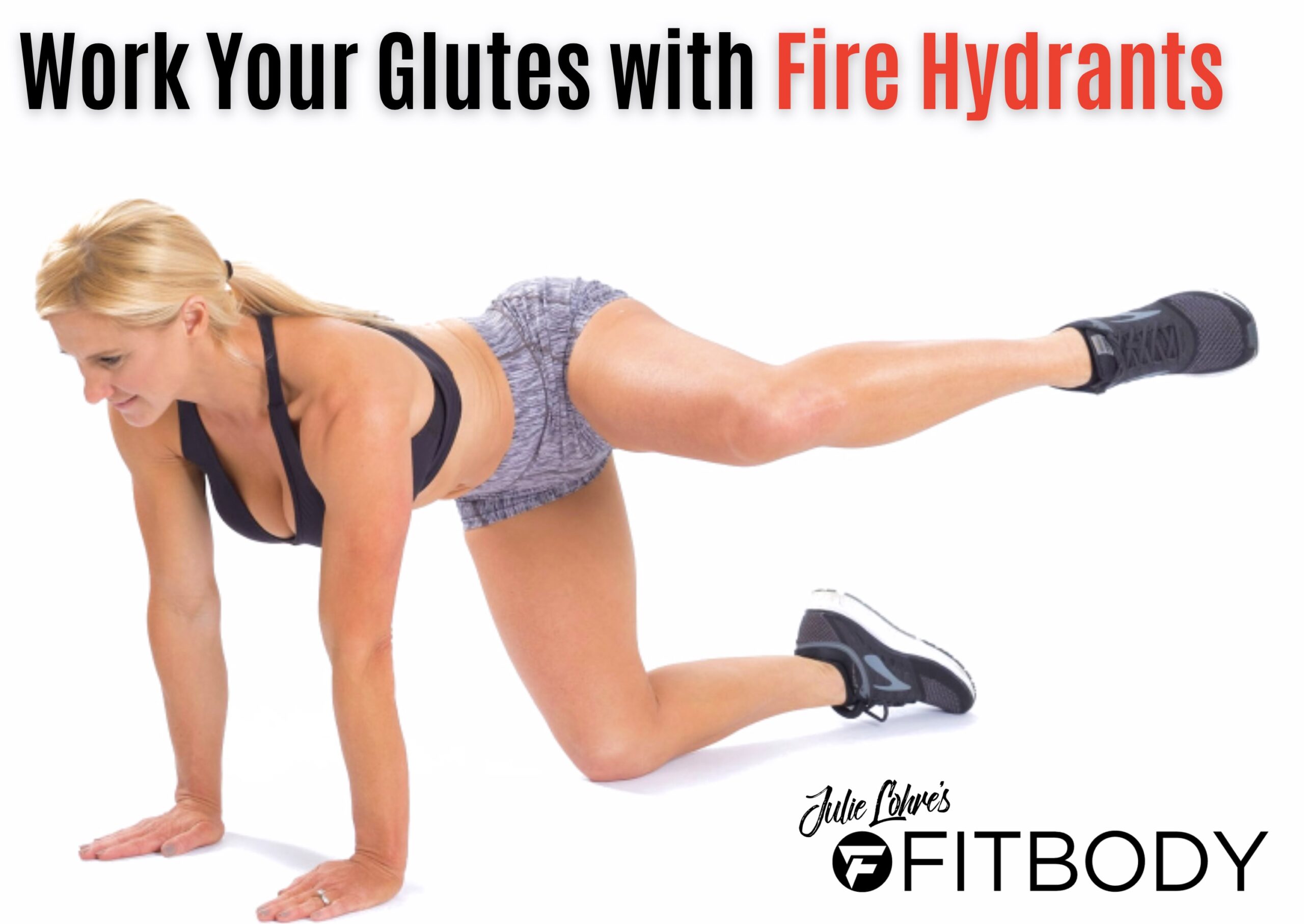
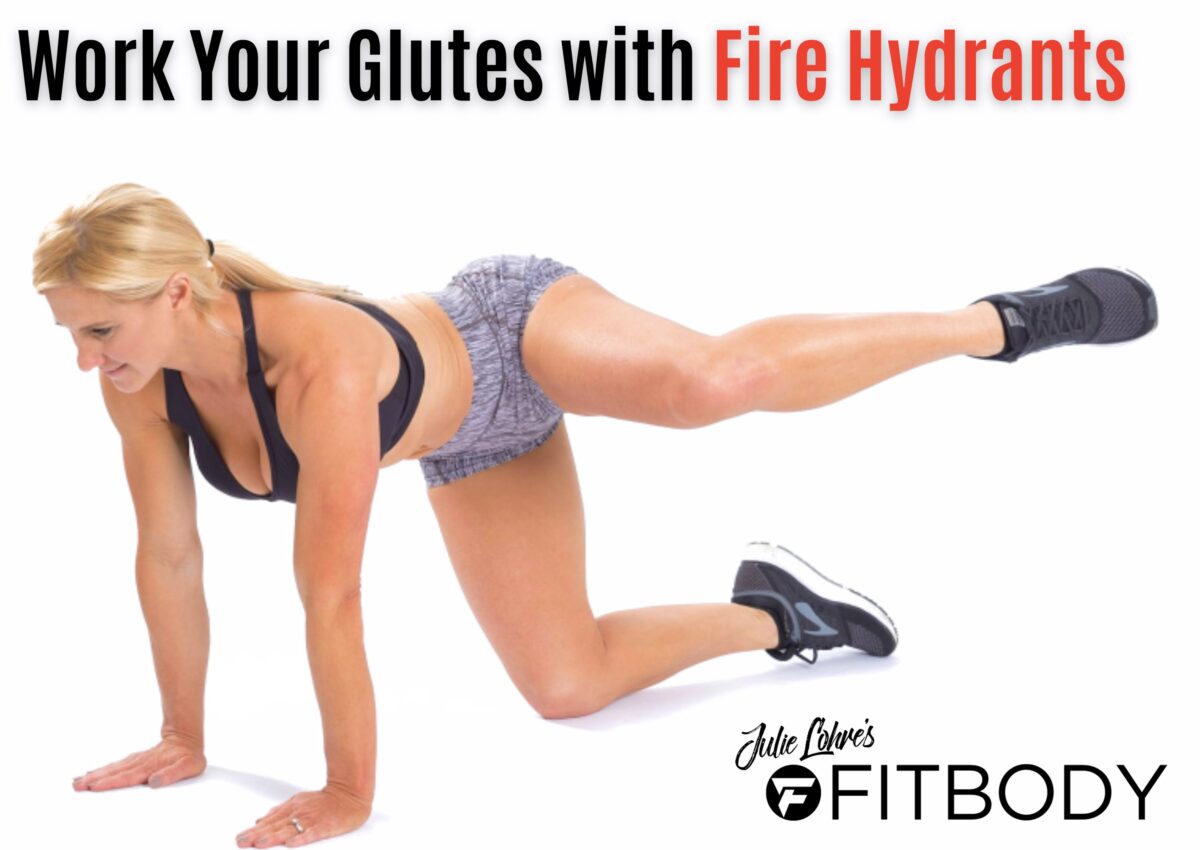
The fire hydrant exercise, also known as the pilates side knee raise, is a bodyweight glute move performed on all fours. You lift a bent knee out to the side, much like the name suggests, which trains the glutes through hip abduction and external rotation. It is one of my favorite ways to target the gluteus medius, a muscle many women underuse, and it takes no equipment at all.

Fire hydrant exercise knee lift targeting the gluteus medius
The fire hydrant, or pilates side knee lift, targets the gluteus medius like few other moves.

What Muscles Does the Fire Hydrant Work?

The fire hydrant primarily targets the gluteal muscles, the gluteus maximus, medius, and minimus, with support from the core and hip adductors. For a closer look at these muscles, see this gluteus maximus anatomy overview. It pairs well with the rest of my glute activation exercises.

Primary
Gluteus maximusGluteus medius
Secondary
Gluteus minimusCoreHip adductors
See the full muscle breakdown
  • Gluteus maximus: the main muscle activated, responsible for hip extension and external rotation.
  • Gluteus medius and minimus: assist with hip abduction, lifting the leg out to the side, and provide pelvic stability.
  • Core: the transversus abdominis and obliques keep your torso stable through the movement.
  • Hip adductors: help stabilize the pelvis as you lift.
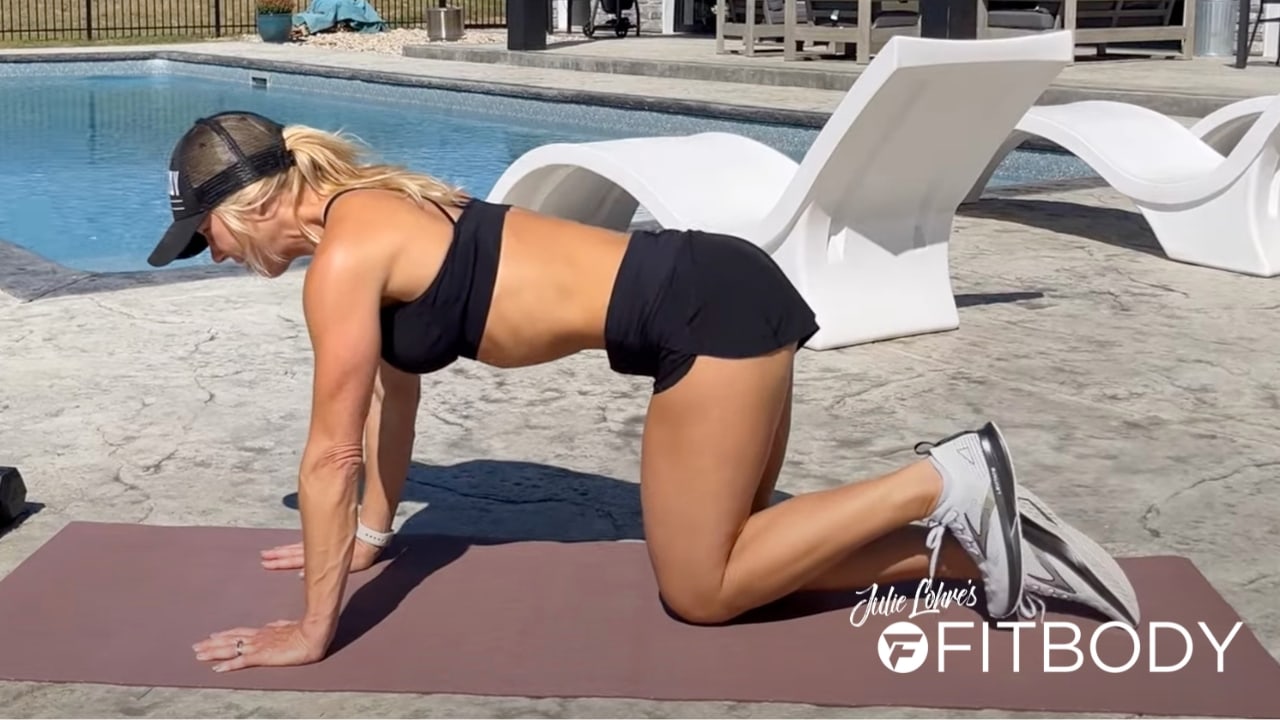
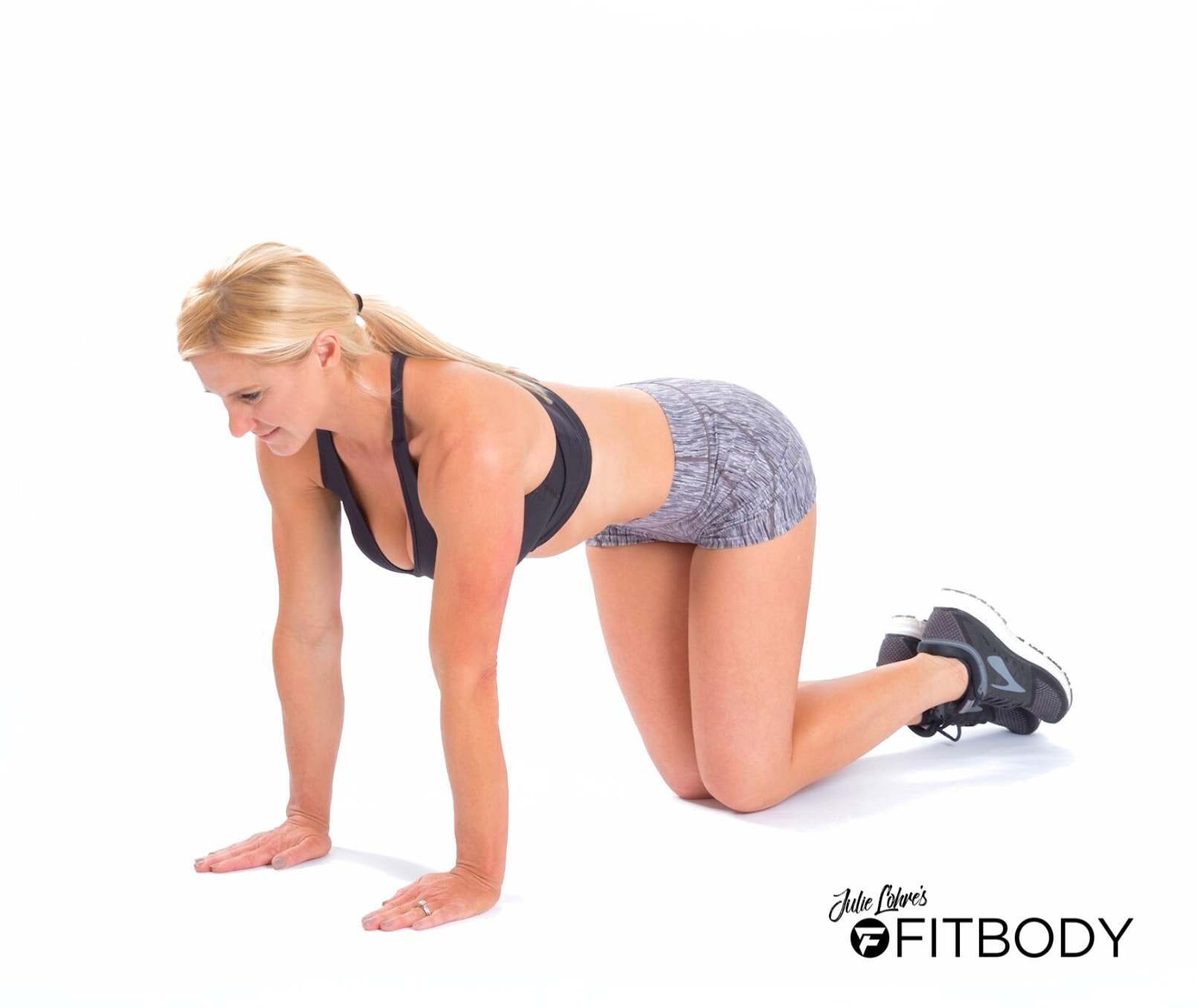
Fire hydrant exercise starting position on all fours
Start on all fours with your hands under your shoulders and knees under your hips.
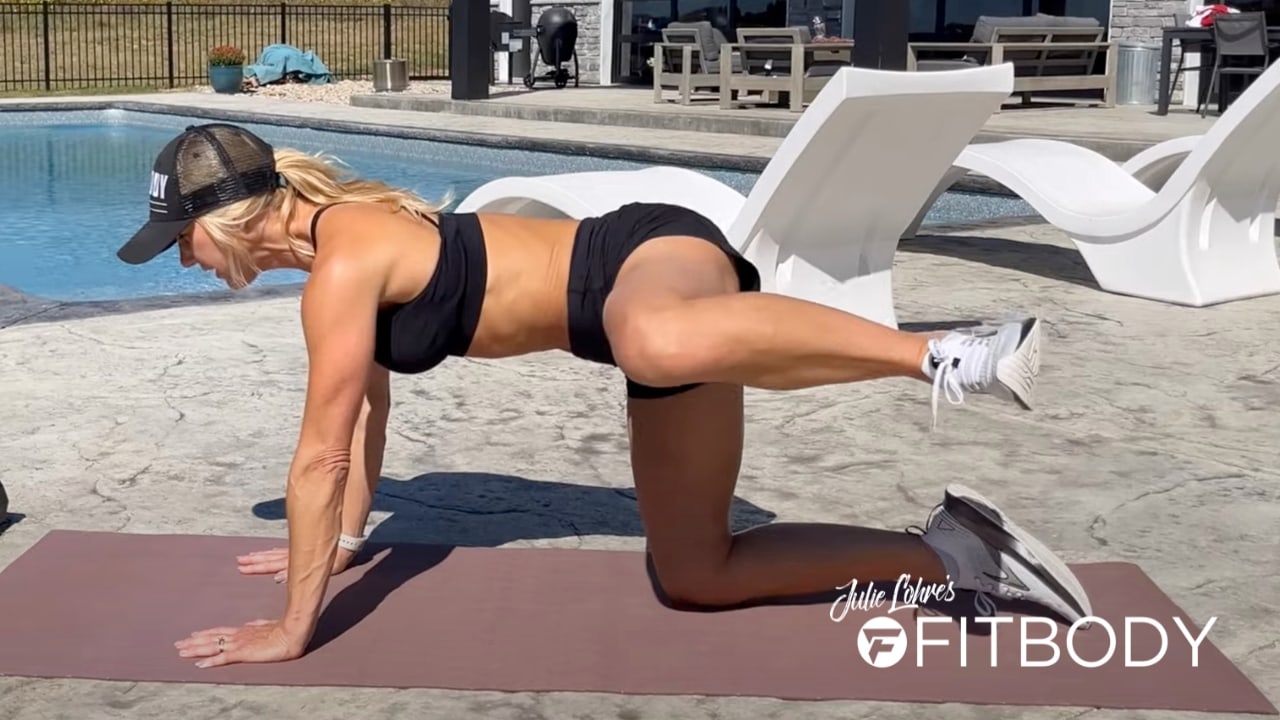
Fire hydrant exercise lifting the bent knee out to the side to work the glutes
Lift your bent knee out to the side and squeeze the glute at the top.

How to Do the Fire Hydrant Exercise

1
Get on all fours. Start on all fours with your hands directly beneath your shoulders and your knees aligned under your hips.
2
Lift your leg out to the side. Keeping your right knee bent at about 90 degrees, lift your leg out to the side. Move with control and keep your core engaged for stability.
3
Squeeze at the top. At the top of the movement, pause briefly and squeeze your glutes. The higher you can lift while keeping your hips level, the more your glutes work.
4
Lower with control. Slowly lower your leg back down, but do not let it touch the ground. Keep the tension on the glute throughout.
5
Alternate sides. Repeat with your left leg, and continue alternating until you finish your reps. Aim for three sets of 12 per side, or challenge yourself with more for an extra burn.
Julie’s Tip

Keep your hips square to the floor and your core braced so the work stays in the glute, not the lower back. With the women I coach, lifting a little lower with the hips level beats swinging the leg high and letting the torso roll open. A slow, controlled lift with a squeeze at the top is what really targets the glute medius.

Fire hydrant exercise leg lift keeping the hips square to the floor
Keep your hips square to the floor as you lift.
Fire hydrant exercise lowering the leg with control without touching the ground
Lower with control without letting your foot touch the ground.

Sets and Reps

Match your sets and reps to your goal, and focus on a controlled lift with a squeeze at the top.

GoalSetsReps per side
Glute shaping312 to 15
Endurance and burn320 to 25
Beginner2 to 310 to 12

Rest 30 to 60 seconds between sets. This works well as a warm up to wake up the glutes or as a finisher. Add a mini band above the knees to increase the challenge.

Benefits of the Fire Hydrant

  • Lifts and shapes the glutes. It targets the glute muscles directly to help lift, tone, and strengthen your backside.
  • Improves stability and balance. Engaging the core and hip stabilizers builds a stronger, steadier foundation.
  • Supports injury prevention. Strengthening the glutes and hips promotes joint stability and may reduce the risk of lower back and knee issues.
  • Quick and convenient. It needs no equipment and fits easily into any routine or glute focused workout.
Fire hydrant exercise for glutes for women over 40
The fire hydrant is one of my go to glute exercises for women over 40.

Common Mistakes to Avoid

  • Rotating the hips open. Keep your hips square to the floor so the glute does the work, rather than rolling the torso.
  • Arching the lower back. Brace your core and keep a flat back so the lift comes from the hip, not the spine.
  • Swinging with momentum. Lift and lower under control rather than throwing the leg up.
  • Letting the foot rest down. Keep tension on the glute by not touching the floor between reps.

Fire Hydrant FAQs

What muscles does the fire hydrant exercise work?

The fire hydrant primarily targets the glutes, including the gluteus maximus, medius, and minimus. The gluteus maximus is the main mover, handling hip extension and external rotation, while the medius and minimus drive the abduction that lifts your leg out to the side and keep your pelvis stable. Your core, including the transversus abdominis and obliques, works to keep your torso steady, and the hip adductors help stabilize the pelvis. So while it looks simple, it trains the glutes from a few angles at once. That is why it is one of my go to glute moves.

Is the fire hydrant a good glute exercise?

Yes, the fire hydrant is an excellent glute exercise, especially for targeting the gluteus medius, which many women underuse. It is great for waking up and strengthening the glutes, and research on gluteal exercises shows that hip abduction moves like this one activate the glute medius well. Because it needs no equipment, it works as a warm up, a finisher, or part of a full glute session. It also helps with hip stability, which supports nearly everything else you do. I use it often with the women I train.

How many fire hydrants should I do?

A good starting point is three sets of 12 to 15 reps per side. If you are building endurance or want more of a burn, you can go up to 20 to 25 reps per side. Beginners can start with 10 to 12 per side and build from there. What matters most is control, a slow lift with a squeeze at the top beats a high rep count done with momentum. Do both sides evenly, even if one feels stronger.

Can I make the fire hydrant harder?

Yes, there are a few easy ways to add challenge. The simplest is to add a mini resistance band above your knees, which increases the tension on the glutes throughout the movement. You can also add a pause at the top of each rep, or slow the lowering phase down to increase time under tension. Pairing fire hydrants with other glute exercises in a circuit builds a bigger challenge too. Just keep your hips square and your core braced as you progress.

References

  1. DiStefano, Lindsay J., et al. “Gluteal Muscle Activation During Common Therapeutic Exercises.” Journal of Orthopaedic and Sports Physical Therapy, vol. 39, no. 7, 2009, pp. 532-540, doi.org/10.2519/jospt.2009.2796.
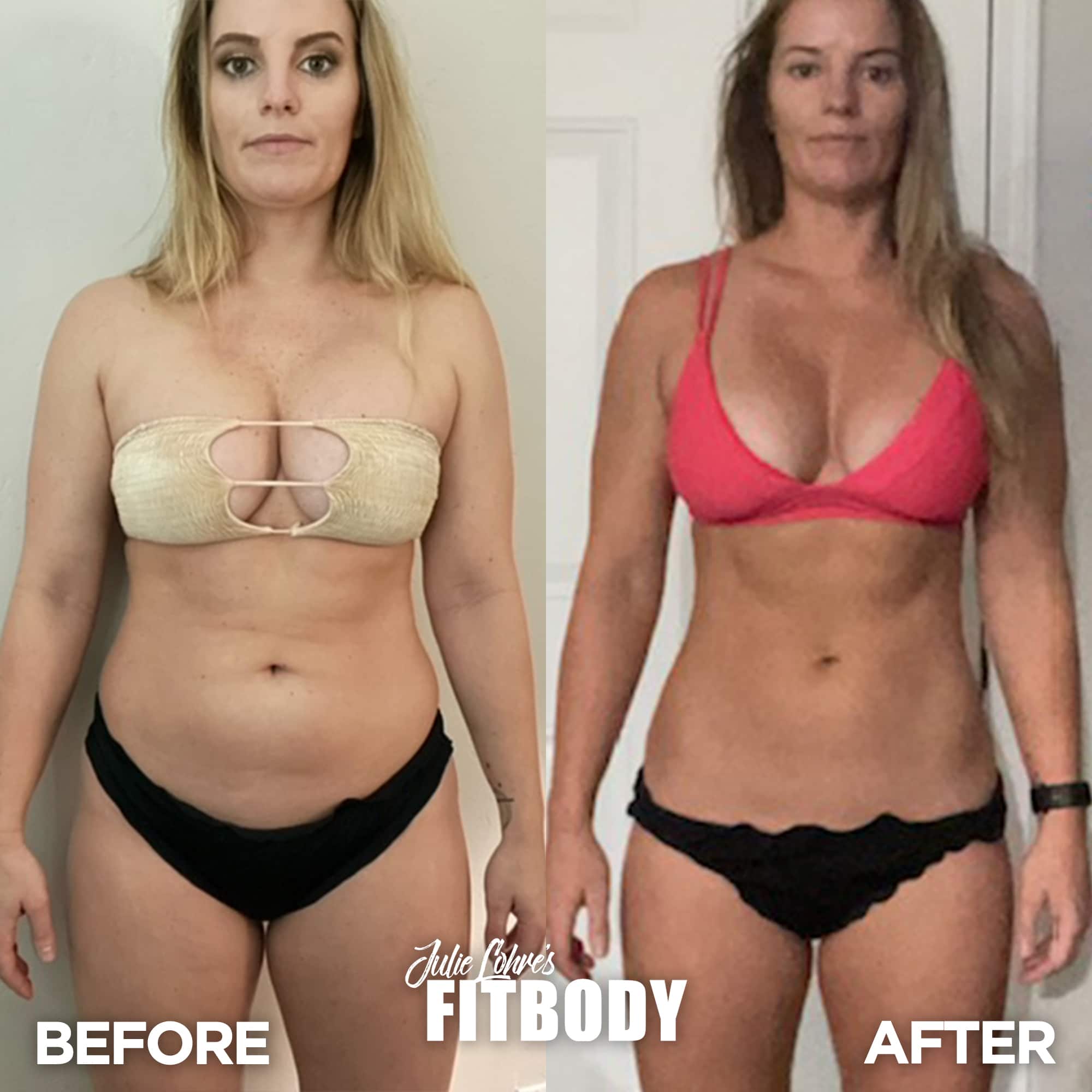
Five month body transformation with FITBODY online training for women over 40
Are you next? See the women transforming their lives with FITBODY online coaching.

Train With An Expert

Want a Plan Built Around You?

I’m Julie Lohre, an IFBB Fitness Pro and certified personal trainer and nutrition specialist. For more than 20 years I have helped women over 40 get stronger, leaner, and more confident through personalized online coaching built around their real lives.