
Body Recomp for Women: Achieve the Perfect Balance of Fat Loss and Muscle Gain
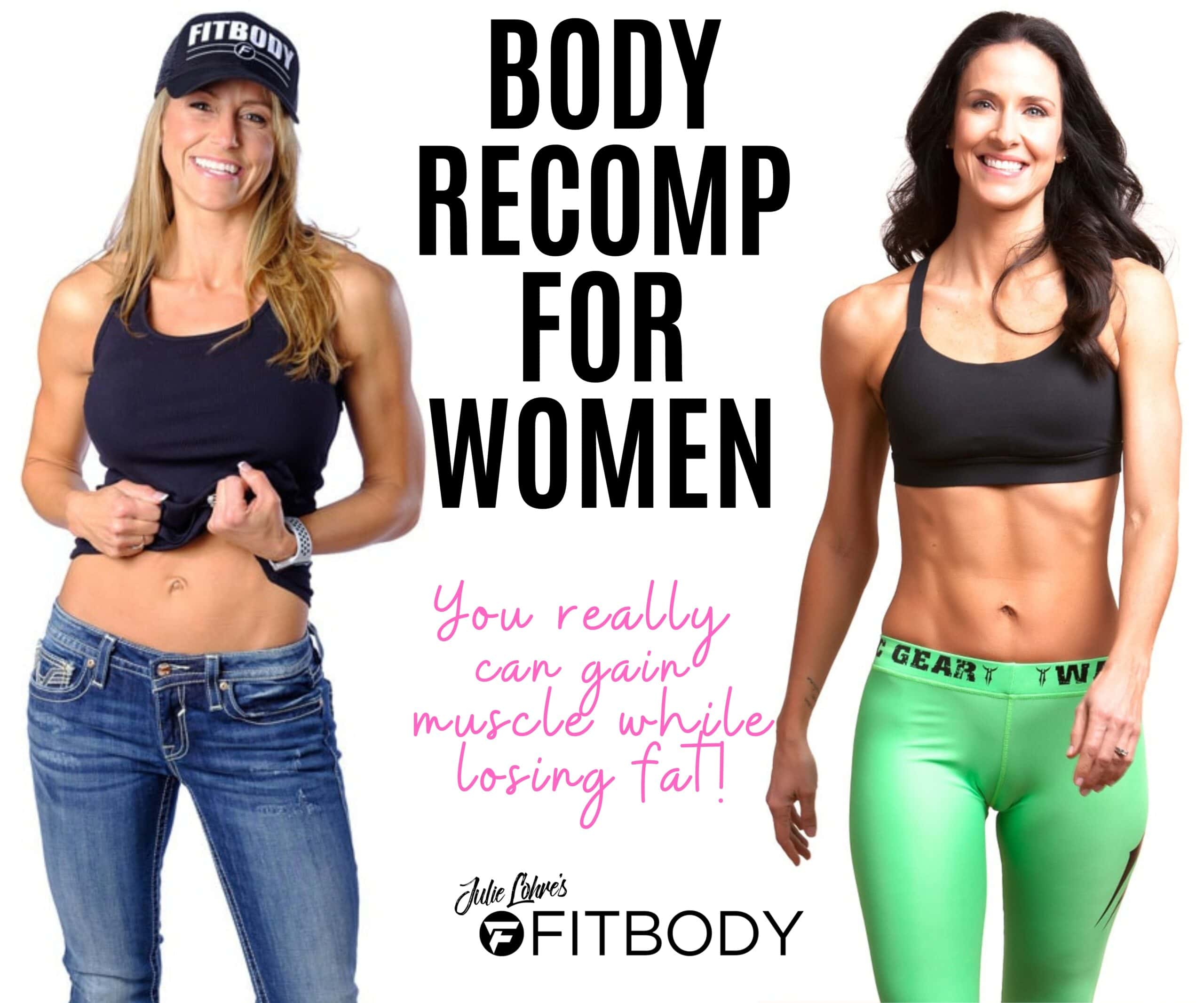
Have you heard the term “body recomp” or “body recomposition” before? For those of us that want lean, fit body, losing fat and gaining muscle is absolutely what we are after. Changing the overall composition or distribution of fat to muscle means that you are shredding extra body fat and decreasing your body fat percentage as you gain muscle in the right places. The outcome of a body recomp for women… a strong, fit, and sleek physique that not only turns heads, but helps you live your best life and love your body. As an online fitness coach for more than 15 years, I have helped 1,000’s of women in their body recomp efforts. Many of them come to me with the same question… Can you lose fat and gain muscle as the same time? In fitness circles, we call that a body recomp and the good news is, YES! It is possible!
In this article, I will take you through the specifics of body recomp for women, including what body recomp is, how the body recomp process works, what is the best body recomposition diet plan, how workouts plan a role in body recomposition, and next steps you can take in your lose fat gain muscle quest. Grab a coffee and let’s dive in!
What is Body Recomposition?
Body recomp is all about transforming your physique by altering the ratio of muscle to fat. It’s about building lean muscle mass while simultaneously reducing body fat percentage. Think of it as a two-pronged approach: losing fat in certain areas while gaining muscle in others. And don’t worry; you won’t turn into a bodybuilder overnight – that’s not what body recomposition is about. Instead, it aims to help you achieve a toned and defined look, ultimately enhancing your overall health. Think of it as going from skinny fat to ultimately fit!
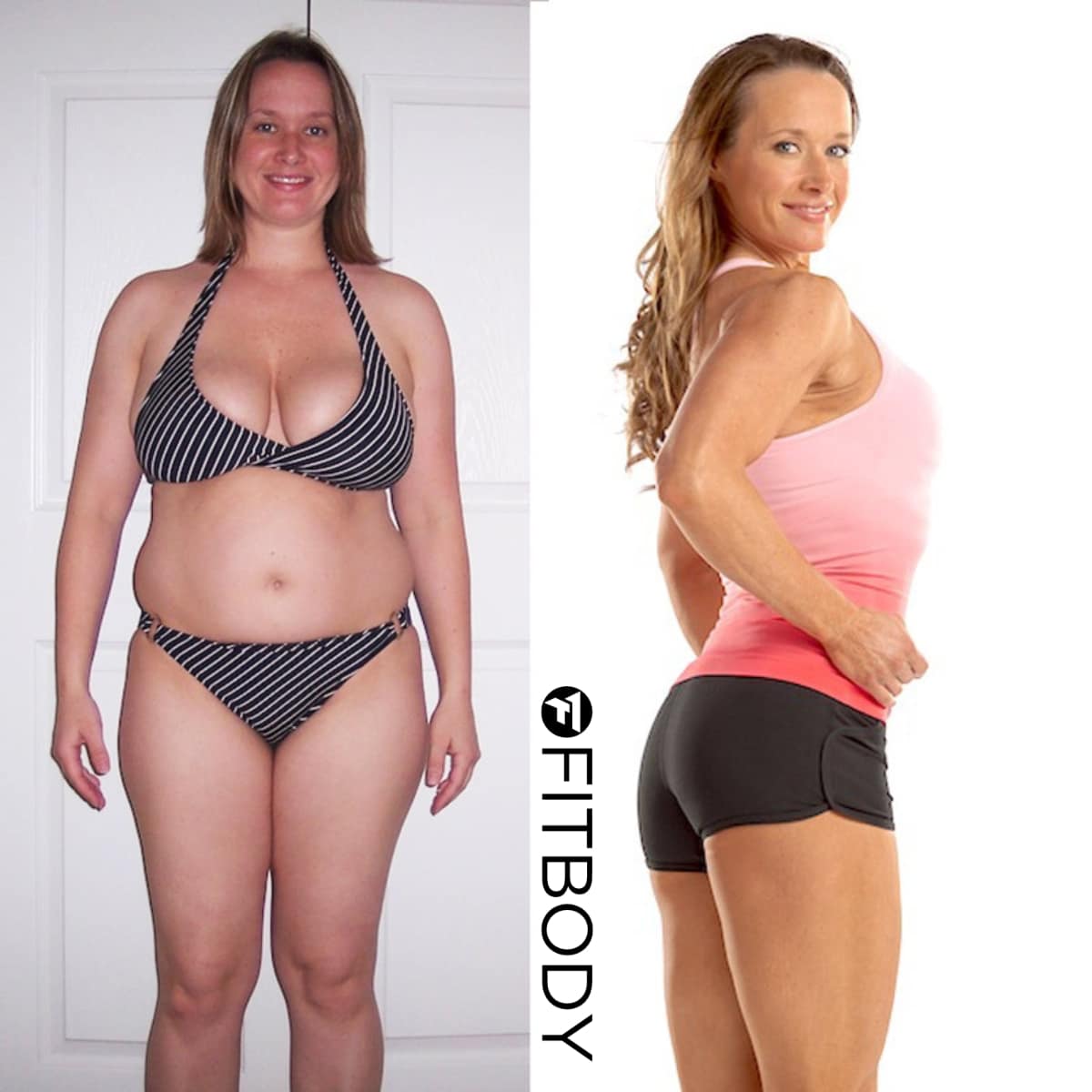
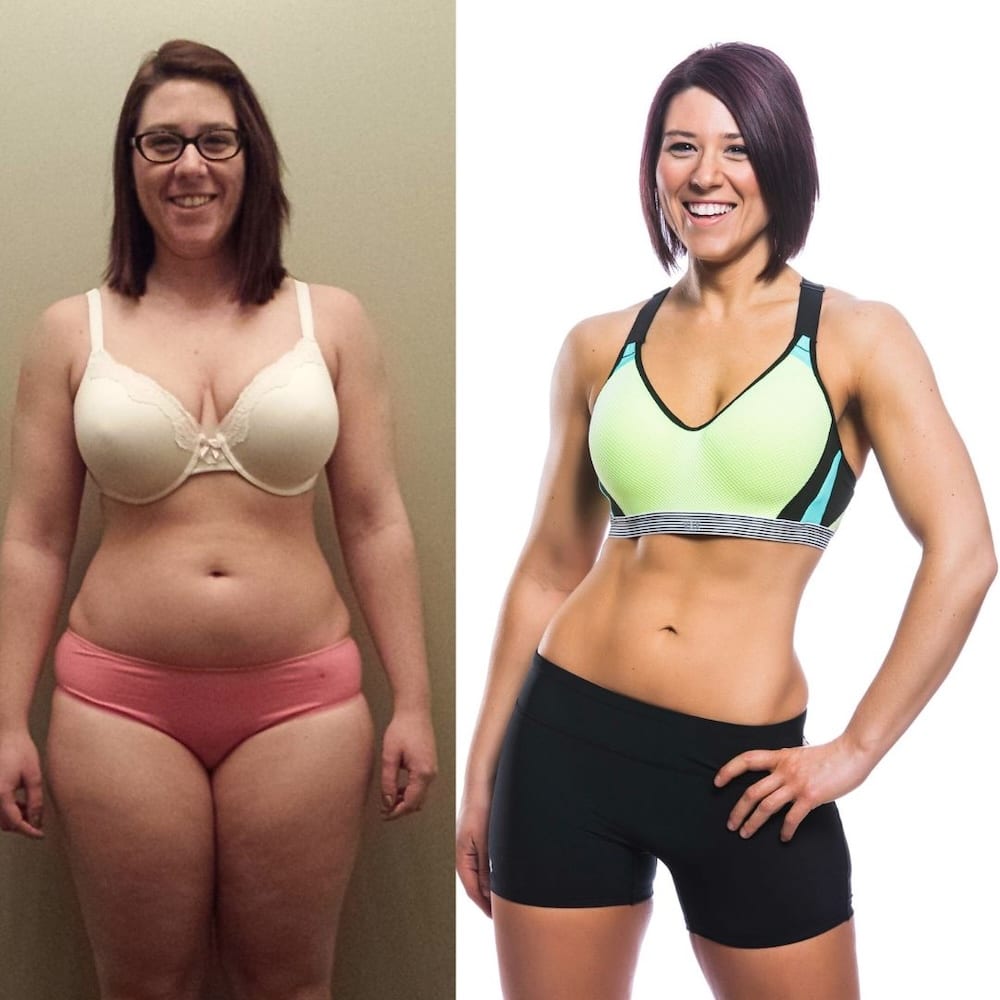
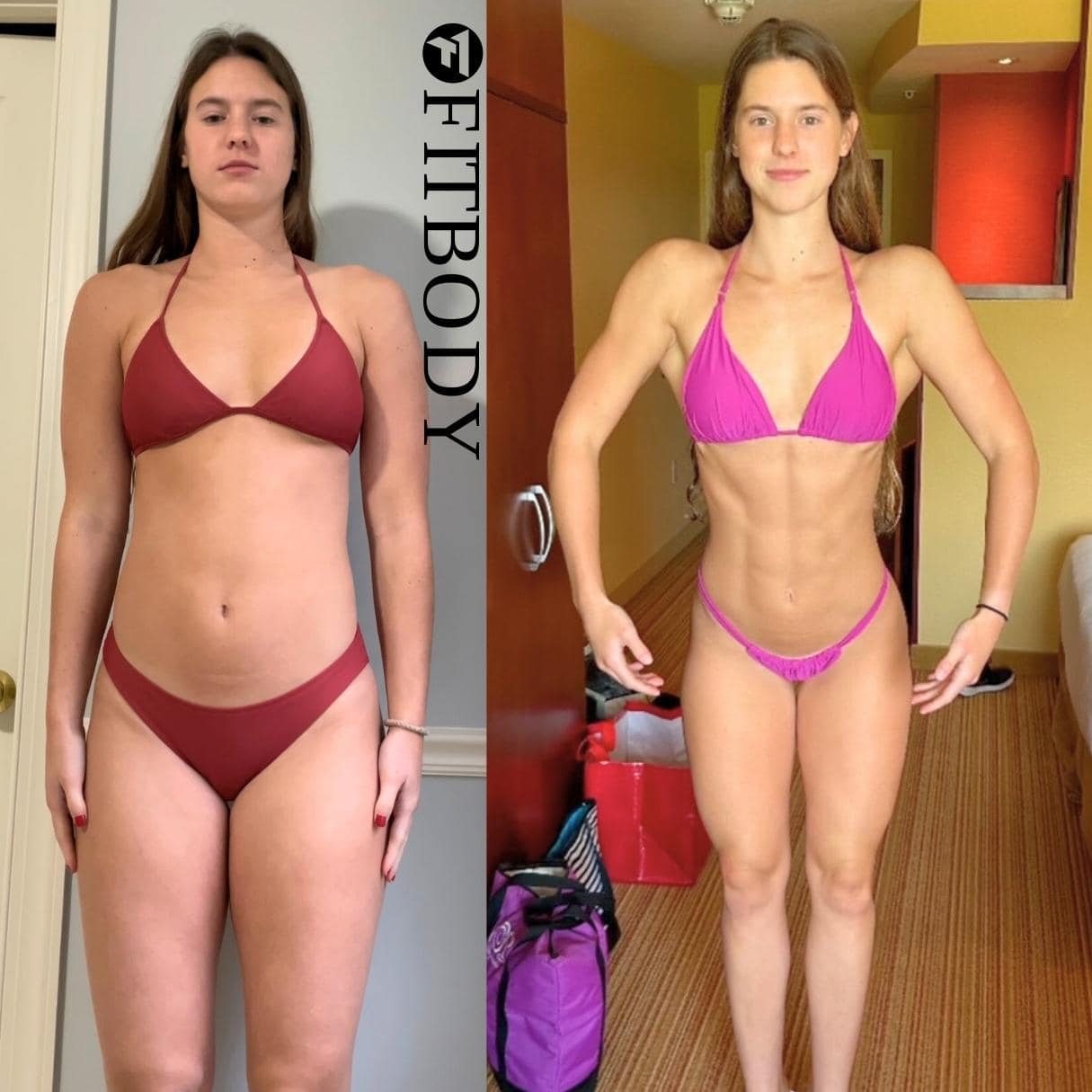
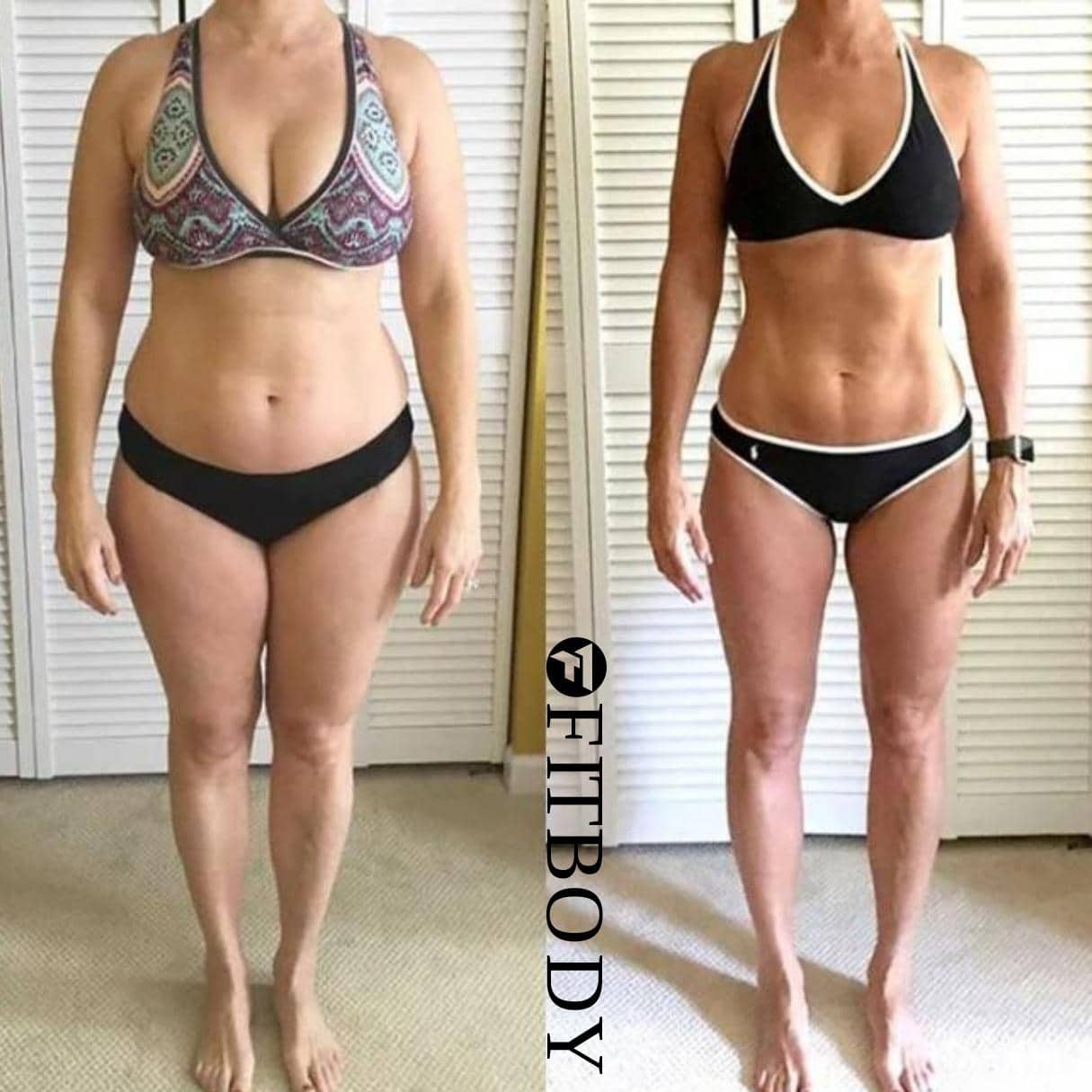
OVER 2,000 WOMEN WORLDWIDE HAVE CHANGED THEIR LIVES WITH FITBODY BODY recomposition COACHING.
CHECK OUT SOME OF THEIR BODY RECOMP BEFORE & AFTER

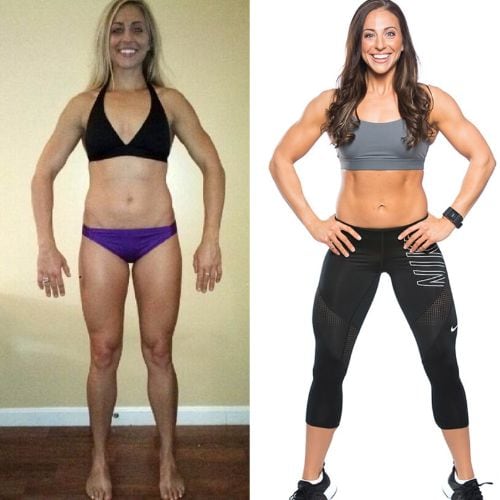
Benefits of Body Recomp for Women
Are you ready to take your fitness journey to the next level and unleash the benefits of body recomposition? I believe in a holistic approach to fitness that combines the best of both worlds—shedding excess fat while gaining lean muscle mass. This is exactly how I have been able to maintain a fitness model body as I approach 50! Let me share some of my favorite benefits of body recomposition instead of just losing weight. These not only make you look great but also improve your overall health and well-being.
1. Boosting Metabolism:
You know how frustrating it can be when your metabolism starts to slow down as you age. I hear from sooooo many women over 40 that comment on a waning metabolism. But guess what? Body recomposition can be your secret weapon to kickstart that sluggish metabolism back into gear. By building muscle, you’re signaling your body to require more energy, leading to increased calorie burn—even when you’re just chilling on the couch!
Picture this: you’ve completed an intense resistance workout, and now your body is like a calorie-burning furnace, torching those pesky calories all day long. This is good news for women looking to manage their body weight and achieve a more energetic, lively lifestyle. Who wouldn’t want that?
2. Enhancing Strength and Bone Density:
As we gracefully age, maintaining muscle mass becomes essential for lots of reasons. Firstly, having a toned, fitbody makes daily activities a breeze. Lifting groceries, carrying your kids or grandkids, or simply tackling household chores becomes a walk in the park when you’ve got that muscle power.
But body recomp is a double whammy because it also helps support bone density. With stronger muscles pulling on the bones during exercises, you’re essentially telling your bones, “Hey, we need you to stay strong too!” Some of my online personal training clients like Sheri and Sonia specifically began working together to be sure they maintain bone density as they get older. This process can reduce the risk of osteoporosis, a condition where bones become fragile and prone to fractures, particularly in women.
Imagine a life filled with strength and resilience, where you can take on any physical challenge with confidence. That’s precisely what body recomposition can offer you.
3. Improving Body Shape:
Ah, the joy of looking in the mirror and loving the shape you see! One of the most exciting benefits of body recomp for women is its ability to transform your body shape positively. By reducing body fat and simultaneously building lean muscle, you’ll start noticing a more defined and sculpted appearance.
Say goodbye to feeling self-conscious about certain areas and hello to newfound confidence and body positivity. As your muscles become more prominent and your curves become more defined, you’ll naturally feel more comfortable in your own skin. Embrace those curves, ladies—they’re a testament to your hard work and dedication!

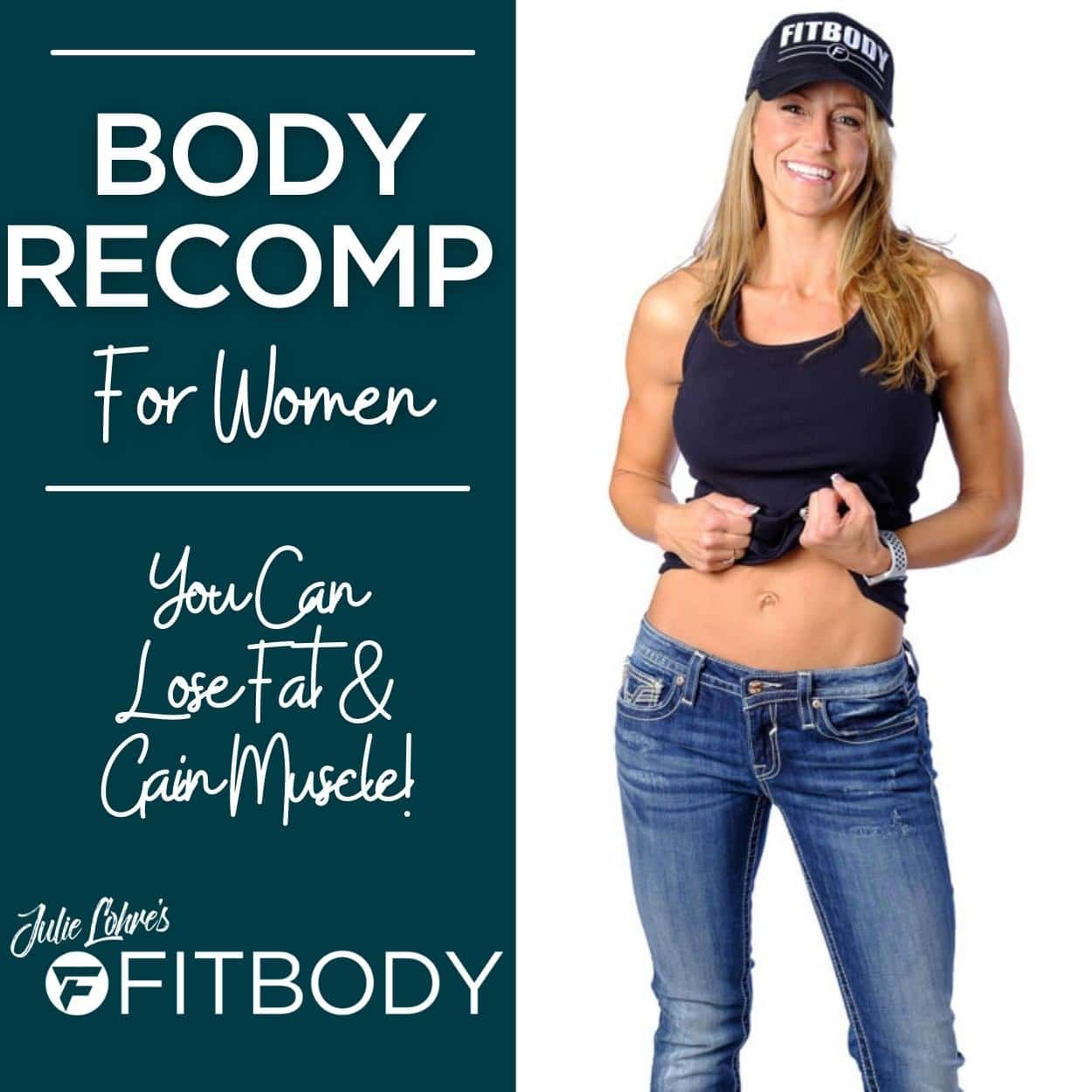
Can you lose fat and gain muscle as the same time?
I am asked by women over and over if it is actually possible to gain muscle and lose fat at the same time. The good news is that YES!!! It is possible to burn bodyfat as you add lean, sexy muscle. That is exactly what I mean when I talk about a “body recomposition” or “recomp.” Granted, it is more challenging to achieve than focusing solely on one goal at a time (such as bulking to gain muscle or cutting to lose fat), it can be done with the right approach. I have yet to meet a woman that wants to gain fat along with muscle. So, how do we balance our body recomp? Experience has shown me that there are 4 things that we can specifically do for a successful body recomposition for women.
1. Body Recomp Diet and Nutrition: Do you eat in a deficit for body recomp?
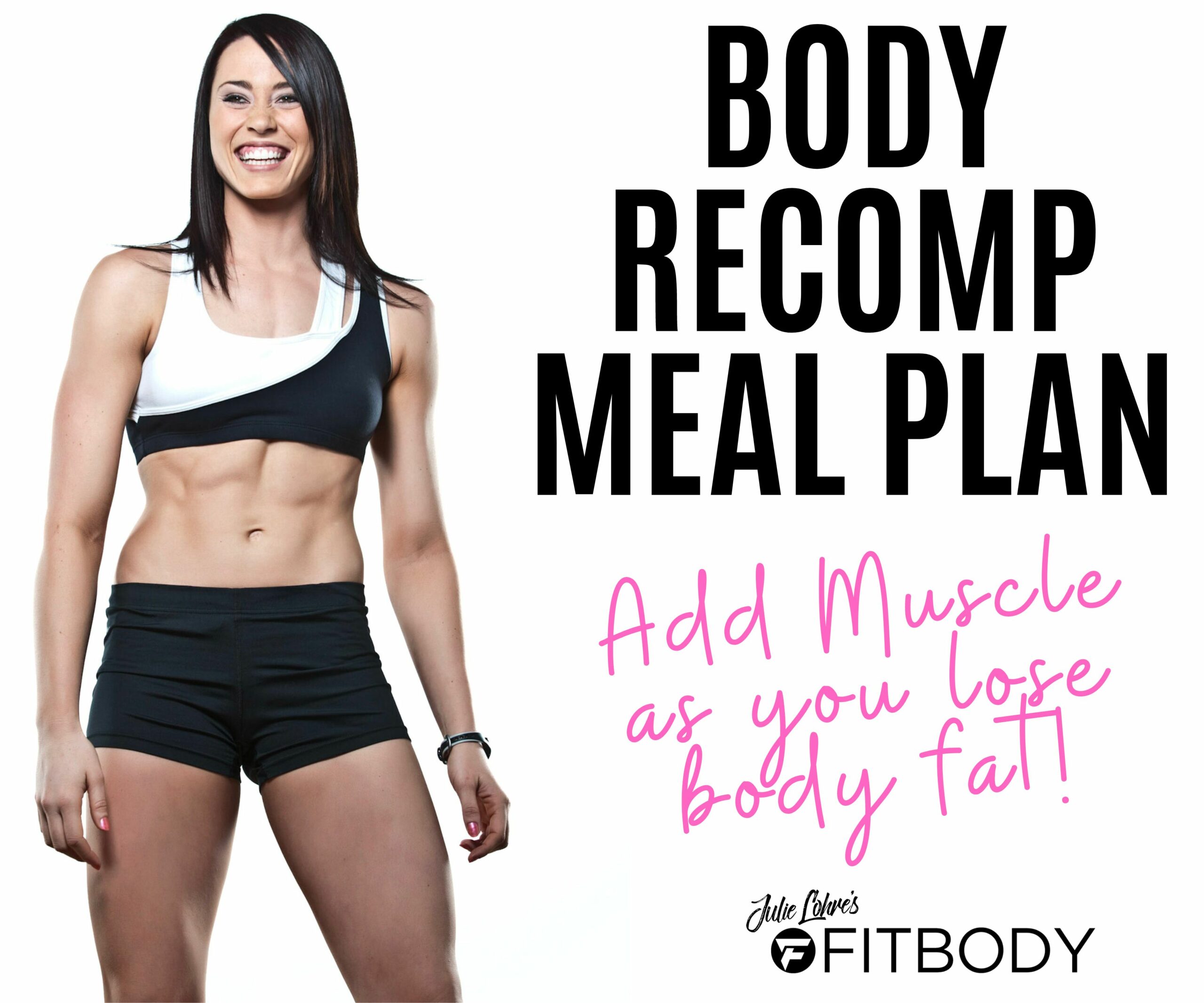
The key to lasting body recomposition lies in proper nutrition. You need to strike a balance between consuming enough calories and protein to support muscle growth while creating a slight caloric deficit which in turn promotes fat loss. Eating a diet rich in whole foods, lean proteins, healthy fats, and complex carbohydrates will provide your body with the nutrients it needs for both processes. I recommend women hit a modest calorie deficit while still maintaining calories above their resting metabolic rate. A high protein diet with a protein intake in the 25-35% range can really make a difference for women aiming to be building muscle and losing fat at the same time. Want to get a complete body recomposition diet plan? Check out my full article: Body Recomp Meal Plan below!
2. Body Recomposition Workout and Strength Training:
Resistance or strength training is crucial for body recomposition, especially for women! Engaging in regular weight training with strengthening exercises through lifting, along with body weight exercises helps stimulate muscle growth allowing you not just to maintain your current lean muscle mass, but to actually be building lean body mass. As you challenge your muscles through progressive resistance, they adapt and become stronger.
3. Body Recomp Cardio Exercise:
Incorporating cardio into your routine can aid in burning additional calories and supporting fat loss in essence lowering your bodyfat percentage. However, it’s essential to find the right balance, as excessive cardio may interfere with muscle gain. With my online fitness coaching clients, I like to balance both cardio intensity and duration to achieve maximum body recomp cardio benefit.
Lose Fat Gain Muscle Before and After Photos:
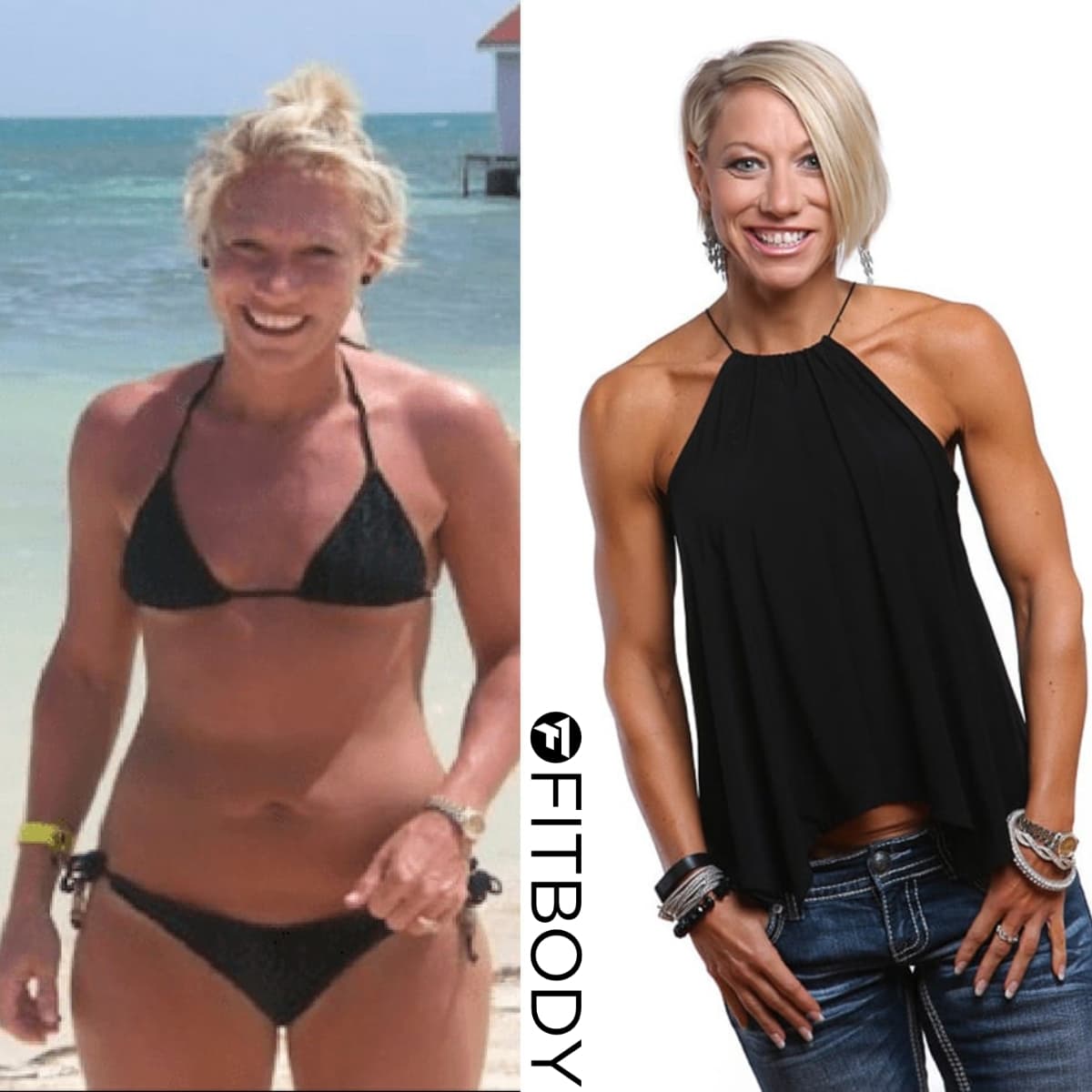

4. Lose Fat Gain Muscle Rest and Recovery:
Allow your body enough time to recover from workouts. Muscles need time to repair and grow after strength training sessions. Adequate sleep, hydration, and rest days are essential for the recovery process. You will not lose fat and gain muscle if your body is under constant stress or if your cortisol levels are elevated. Be sure that you include the down time for repair which will allow you to hit back at your workouts hard in subsequent sessions.
How long does it take for a body to recomposition?
The truth is, the rate of body recomposition can vary significantly from person to person based on factors such as genetics, age, sex, current body composition, activity level, and dietary habits.
There is no fixed timeline for body recomposition as it depends on multiple variables. However, what I typically see in my online fitness coaching clients is that in the initial stages of body recomposition may show relatively rapid changes, especially if a woman is new to resistance training and changes their diet and exercise habits significantly.
In the first few weeks of starting our training and balancing a proper exercise and nutrition program, women notice changes in body comp, such as improved muscle tone and a reduction in body fat. Ideally, I am looking for about a .5% loss in bodyfat per week. However, it’s important to be patient and understand that long-term sustainable results take time.
For women that have 40 or more pounds to lose, significant body recomposition can take several months to a year or more. Of course, that really depends on how consistent she is and how closely she sticks with our programs.
I am asked particularly by women over 40 and those that are perimenopausal or in menopause if it is still possible to balance fat loss muscle gain and how long it takes for a body to recomposition. For those women, who want to be building muscle and losing fat at the same time, there is a lot of hope! It is possible, but building lean muscle mass is a gradual process, and losing body fat to lower your body fat percentage should also be done at a steady and healthy rate to maintain muscle and overall health. Everything I do encourages a healthy metabolism and long term results, not quick fixes. It’s essential to focus on sustainable lifestyle changes, rather than seeking rapid transformations that may not be sustainable or healthy in the long run.
Ultimately, remember that everyone’s body responds differently, so focus on improving your overall health, strength, and well-being rather than solely fixating on the numbers on the scale. Celebrate every achievement along your fitness journey, and stay committed to your goals for long-term success.
What is the body recomposition method?
Body recomposition is a fitness approach especially beneficial for women over 40, focusing on simultaneously losing fat and gaining muscle. This method is unique because, unlike traditional weight loss strategies that solely emphasize reducing the number on the scale, body recomposition concentrates on altering your body’s composition to increase muscle mass while decreasing fat. This is particularly important for women over 40, as muscle mass naturally decreases with age, impacting metabolism and overall health. By incorporating strength training and tailored nutrition, body recomposition helps maintain and build muscle, essential for metabolism, bone health, and physical strength as women age. This approach not only improves physical appearance but also enhances overall health and well-being, making it a sustainable and effective strategy for long-term fitness goals.
What does the current scientific literature say about a woman’s ability to lose body fat as she is gaining muscle?
The idea of being able to decrease overall body fat percentages as a woman simultaneously improves her lean muscle mass ratio, a process known as body recomposition, has been a subject of interest and debate in the scientific community. The traditional view posits that these two objectives require opposing nutritional strategies — a caloric deficit for fat loss and a caloric surplus for muscle gain. However, recent scientific insights support what I have seen in clinical practice with my online fitness and nutrition coaching clients for more than 15 years. While challenging and requiring consistent balance, it is possible to achieve both simultaneously, particularly in certain conditions.
Fat loss occurs through fat oxidation, which happens when you expend more energy than you consume, creating a caloric deficit. This process transforms your body’s fat stores into usable energy. On the other hand, gaining muscle typically requires a caloric surplus coupled with adequate resistance training to stimulate muscle hypertrophy. The challenge lies in balancing these two processes.
Modern research, including a review paper from 2020, indicates that simultaneous fat loss and muscle gain can occur, especially in resistance-trained individuals. This phenomenon of body recomposition has been observed in both beginners and advanced athletes. Key to this process is a careful balance of nutrition and exercise. High dietary protein intake plays a significant role, particularly in a caloric deficit, as it has substantial muscle-preserving effects. Moreover, the timing of calorie intake, especially around workouts, and the intake of more calories on training days compared to rest days, can influence body composition outcomes favorably.
It’s important to note that body recomposition is a slower process compared to dedicated phases of muscle gain or fat loss. Therefore, patience and realistic expectations are crucial. For women over 40, this approach can be particularly beneficial, as it addresses the natural decline in muscle mass with age while managing body fat levels. The best part… you do not go through a phase of muscle building or ‘bulking’ where you are uncomfortable with your fat levels. I have yet to meet a woman that wants to ‘bulk up’. I certainly do not!
Appendix
- Ribeiro, Aline S., et al. “Effects of Resistance Training on Body Recomposition, Muscular Strength, and Phase Angle in Older Women with Different Fat Mass Levels.” Aging Clinical and Experimental Research, vol. 35, no. 2, Feb. 2023, pp. 303-310. PubMed, doi:10.1007/s40520-022-02313-7.
- Brown, Alyssa F., et al. “Higher-Protein Intake and Physical Activity Are Associated with Healthier Body Composition and Cardiometabolic Health in Hispanic Adults.” Clinical Nutrition ESPEN, vol. 30, Apr. 2019, pp. 145-151. PubMed, doi:10.1016/j.clnesp.2019.01.002.
- Do Nascimento, Marília A., et al. “Resistance Training with Dietary Intake Maintenance Increases Strength Without Altering Body Composition in Older Women.” Journal of Sports Medicine and Physical Fitness, vol. 58, no. 4, Apr. 2018, pp. 457-464. PubMed, doi:10.23736/S0022-4707.16.06730-X.
- Iglay, Heather B., et al. “Resistance Training and Dietary Protein: Effects on Glucose Tolerance and Contents of Skeletal Muscle Insulin Signaling Proteins in Older Persons.” American Journal of Clinical Nutrition, vol. 85, no. 4, Apr. 2007, pp. 1005-1013. PubMed, doi:10.1093/ajcn/85.4.1005.
- Ribeiro, Aline S., et al. “Resistance Training with Dietary Intake Maintenance Increases Strength Without Altering Body Composition in Older Women.” Journal of Sports Medicine and Physical Fitness, vol. 58, no. 4, Apr. 2018, pp. 457-464. PubMed, doi:10.23736/S0022-4707.16.06730-X.
- do Nascimento, M. A., Gerage, A. M., Januário, R. S., Pina, F. L., Gobbo, L. A., Mayhew, J. L., & Cyrino, E. S. “Moderate and Higher Protein Intakes Promote Superior Body Recomposition in Older Women Performing Resistance Training.” PubMed, American College of Sports Medicine, 2022, doi:10.1249/MSS.0000000000002855.
- McMaster University. “Losing Fat While Gaining Muscle: Scientists Close in on ‘Holy Grail’ of Diet and Exercise.” ScienceDaily, ScienceDaily, 27 Jan. 2016, www.sciencedaily.com/releases/2016/01/160127132741.htm.